
Light Box Signs in Philadelphia
Illuminated cabinets that carry a name, a logo, and everything else you need to say. The workhorse of the sign trade.
A Lit Box With Your Name On It
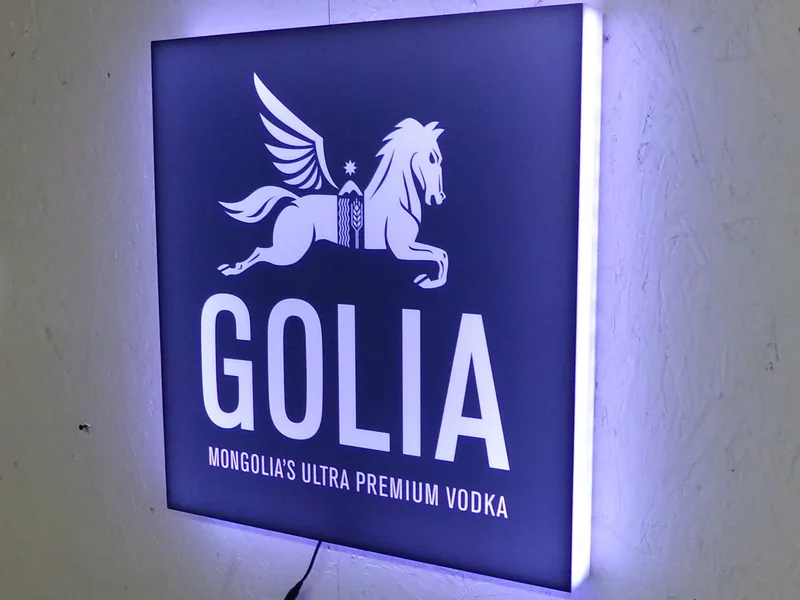
A light box is a sealed aluminum cabinet with LED modules inside and a translucent face on the front. The cabinet does the structure and the lighting. The face does the talking. Change the face and you have changed the sign, which is why cabinets tend to outlast the businesses that order them.
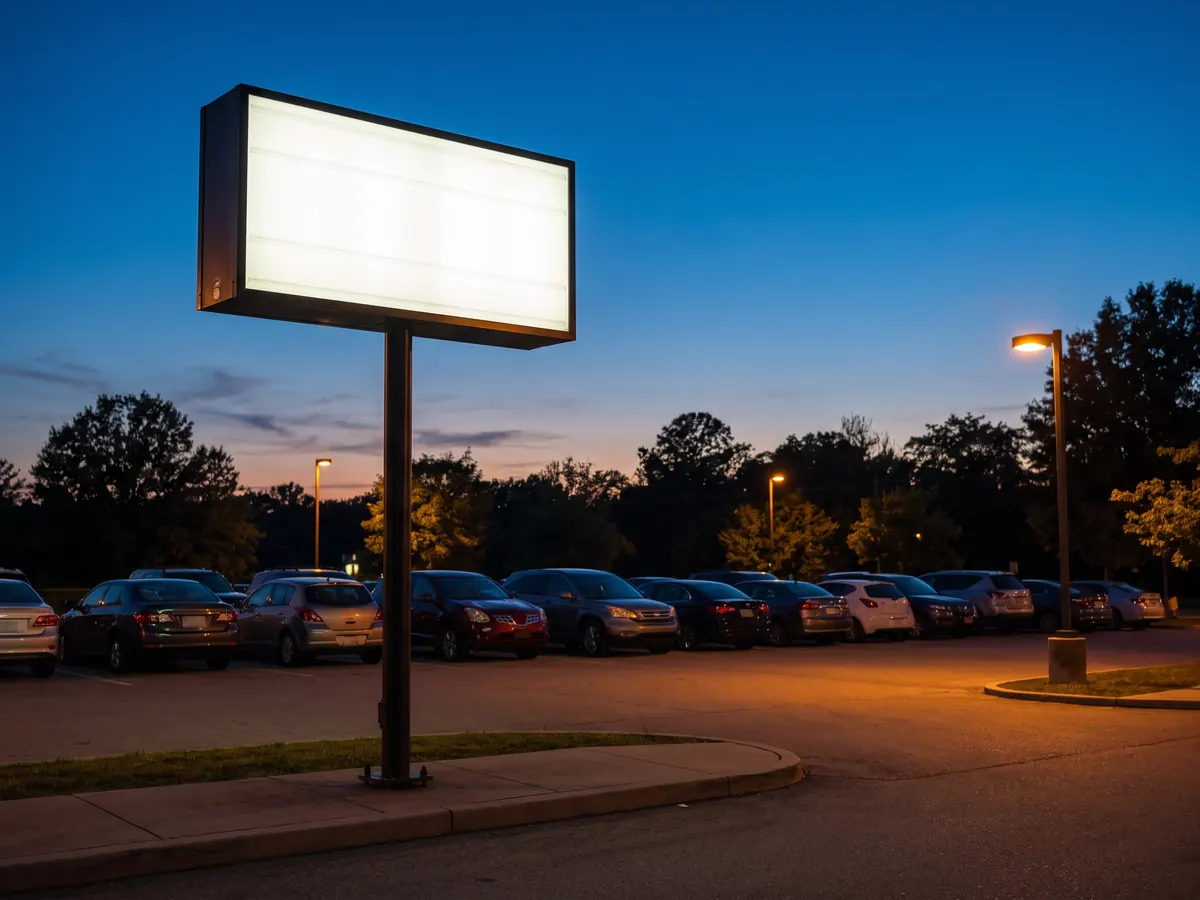
A wall-mounted cabinet sits flat against the building with one lit face, the usual pick for a storefront on Frankford Avenue or a suite in a strip center. A double-faced cabinet lights both sides and hangs from a bracket, a pole, or the arm of a pylon sign, so it reads in both directions of traffic.
We build cabinets in our own shop on Woodhaven Road: welded frames, wired LEDs, and every box test-lit before it leaves the floor. Retail tenants and gas stations and c-stores buy more cabinets than any other sign we make, because a cabinet holds a logo, a tagline, and a phone number that a row of letters cannot.
Anatomy of a Light Box
Every cabinet we build comes down to the same short list of parts, whether it hangs on a wall or on a pole. Here is what sits behind the face, and what each piece does.
- Face. The translucent panel your artwork prints on. It is the part people read, lit or unlit.
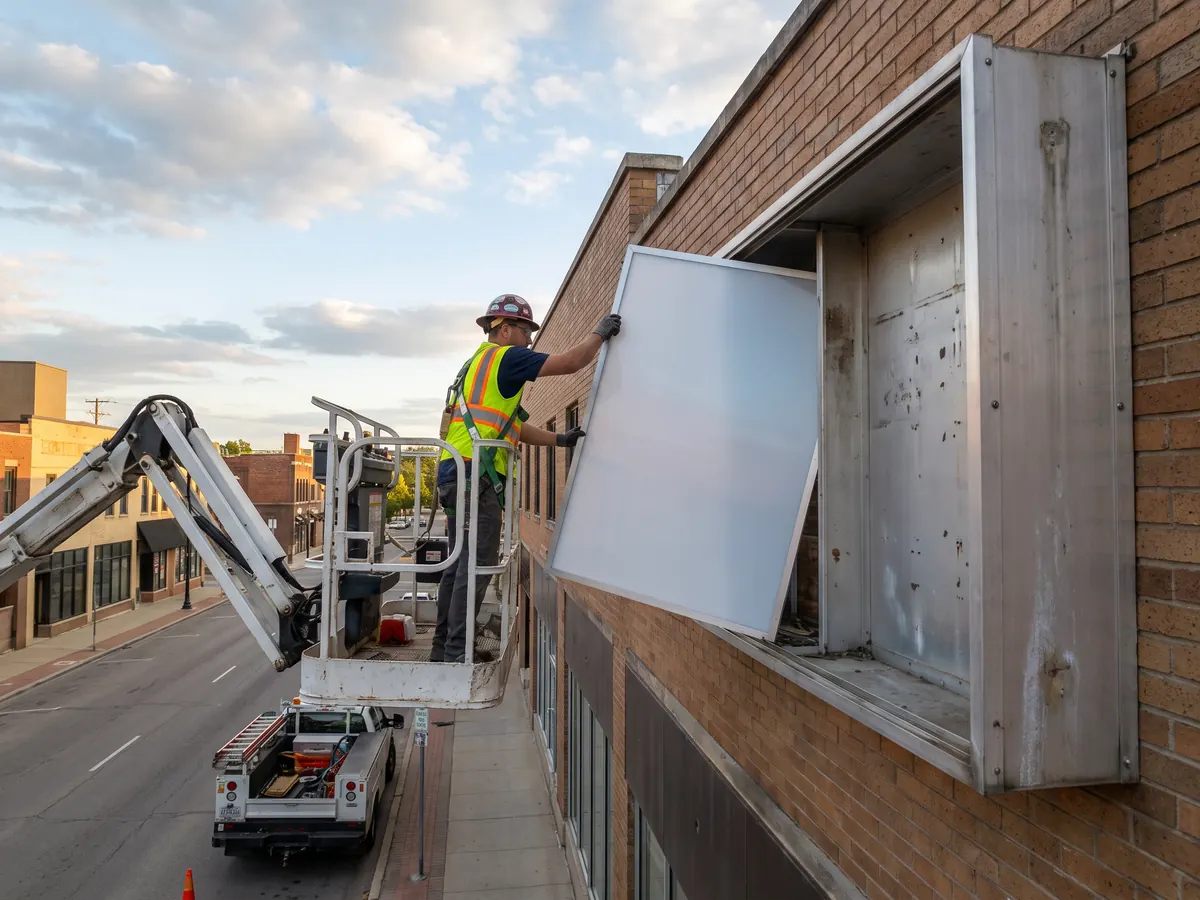
- Retainer frame. A hinged frame that clamps the face to the cabinet and swings open when the face or a module needs work.
- Extruded cabinet. Aluminum extrusion welded into a sealed body. It carries the weight and keeps water out of the wiring.
- LED lattice. Strips of low-voltage modules laid out across the back so the light spreads flat instead of pooling in bright spots.
- Power supply. Drops building power down to the low voltage the modules run on. It sits inside the box, reachable once the face is open.
- Weep holes. Openings along the bottom rail that let condensation and rain drain out instead of sitting in the cabinet.
- Wall fasteners. Anchors picked for what is actually behind the wall face, set through the back of the cabinet into solid material.
Faces, Graphics, and What Runs Inside
The face material is the decision that drives cost, durability, and how the sign looks at noon versus midnight.
Flex-Face
A single sheet of tensioned vinyl stretched over an extruded aluminum frame. It prints digitally in full color, spans a large cabinet with no seams, and flexes in wind instead of cracking. On big cabinets it is usually the cheapest face to build and the cheapest to replace years later.
Polycarbonate
Tough, flexible, and hard to break. This is the face for a cabinet people can reach: pump islands, drive-thru lanes, low wall cabinets on a busy corner. It costs more than acrylic and softens in color over many years, but it does not shatter.
Acrylic
The flattest face and the truest color. Acrylic pan-forms cleanly, so copy and logos can be pushed through the face in raised relief for a sharper, more custom read. Best on small and medium cabinets mounted out of arm's reach.
Graphics and Light
Copy goes on in translucent vinyl, printed or cut, applied to a white or colored face. Day and night colors can be tuned so the sign reads one way in sun and another once it is lit. Inside, LED modules replaced fluorescent lamps years ago: less power, no ballasts, and a longer run between service calls. That is the same hardware behind our LED lighting work.
Where a Cabinet Beats Letters
Channel letters get the attention. Cabinets get the work done. A cabinet is one object to fabricate, one object to hang, and one circuit to feed, so a lit storefront built as a cabinet usually lands well under the same storefront built as a channel letter set. The gap widens with every extra letter in the name.
Five things decide whether a box is the right call:
- Lease sign criteria. Some landlords require cabinets. Some prohibit them. Multi-tenant centers usually spell it out in writing, so send us the criteria page with your quote request and we will design inside it.
- Rebrands and tenant changes. Replacing a face is the cheapest way to update a sign. The cabinet, the wiring, and the permit history stay. Only the artwork changes, and often in one visit.
- Message room. A cabinet carries a logo, a tagline, a phone number, and a service list. Letters carry a name. If you need to say more than your name, you want a box.
- Permits. A new lit wall sign in the city typically needs an L&I sign permit, and townships set their own limits on size and on brightness near homes. Our surveys and permitting team files it and tracks it.
- The box you already own. A dark cabinet is not always a dead cabinet. Our repair and maintenance crews chase failed drivers, water intrusion, and cracked faces, and we retrofit old fluorescent cabinets to LED without replacing the box.
Size the cabinet to the road, not to the wall. A box that fills a storefront on a walkable block like East Passyunk can disappear against six lanes of Roosevelt Boulevard. We measure viewing distance and sight lines during the survey and spec the cabinet from that, not from what fits the brick.
Cabinets We Have Lit
A few recent boxes and retrofits. Tap any photo to enlarge it.
Light Box Questions
How much does a light box sign cost in Philadelphia?
Size, face material, and single or double face set the price. A small wall cabinet with an acrylic face is a modest job. A large double-faced flex cabinet on a pole is a much bigger one. Send us the dimensions, or a photo with something in it for scale, and we will quote it free.
Can you replace the face on my existing cabinet?
Usually, yes, and it is the cheapest way to update a sign. We measure the opening, print the new face, and swap it. The cabinet, the wiring, and the permit history stay put. Most face changes are a single visit.
Should I buy a light box or channel letters?
Cabinets cost less, hold more information, and are far cheaper to rebrand later. Channel letters look more custom, and some lease sign criteria require them. If the budget is tight or your sign has to say more than your name, the cabinet wins.
Can you convert an old fluorescent cabinet to LED?
Yes. We pull the lamps and ballasts, mount LED modules, and rewire the box. The power draw drops, the face lights evenly instead of in stripes, and the service calls slow down. If the cabinet itself is rusted through we will tell you before you spend money on it.
Light Up the Front of Your Building
Send a photo of the blank wall or the cabinet you already have. We will price a new box, a new face, or an LED retrofit.
267-344-8492