
Channel Letter Signs in Philadelphia
Individually built, individually lit letters. The standard for any storefront that needs to be read day and night.
One Letter at a Time
Channel letters are dimensional letters, each one fabricated as its own sealed housing with light inside. We cut the backs from aluminum sheet, bend aluminum returns to form the sides, wire LED modules inside, and close each letter with an acrylic face. The set reads crisp in daylight and glows evenly after dark.
They are the default storefront sign across Philadelphia, from a corner spot in Fishtown to a national tenant on City Avenue. Landlords ask for them by name. Zoning reviewers know them on sight. Customers read them from across the street.
Every set we sell is fabricated in our own shop on Woodhaven Road and installed by our own crews. Nothing is brokered out, so the letters that were test-lit on our bench are the letters that go up on your wall.
Anatomy of a Channel Letter
Every letter that leaves our shop is a small lit cabinet. Here is what is inside the ones we build, and why each part is there.
- Acrylic face. The translucent panel your color and copy live on. It is what glows.
- Trim cap. Seals the face to the return and gives the letter its clean outline.
- Aluminum return. The formed side wall that gives the letter its depth. It never rusts.
- LED modules. Rows of low-voltage modules spaced for even light, no hot spots.
- Aluminum back. Closes the can, carries the modules, and drains rain through weep holes.
- Power supply. Converts building power to low voltage, placed where a service tech can reach it.
- Fasteners. Anchors matched to your facade, brick, block, or EIFS, set at the survey.
Front-Lit, Halo-Lit, and How They Mount
Light can push out through the face or wash back against the wall. Letters can ride a raceway or fasten straight to the building. Your facade, your landlord, and how far away your customers stand decide the combination.
Front-Lit Letters
Light pushes through a translucent acrylic face, so the letter itself glows. This is the brightest read and the best pick for long viewing distances and busy corridors like Aramingo Avenue. Faces come in standard colors, or in perforated and day-night finishes that show one color unlit and another lit.
Halo-Lit Letters
The face is solid aluminum and the light throws backward, washing the wall so the name floats in a soft outline. Halo sets flatter brick and stone facades, and the quieter look tends to pass design review on older blocks like Old City.
Raceway Mount
The letters arrive pre-mounted on a slim painted cabinet that carries the wiring and power supplies. One or two wall penetrations instead of dozens. Many multi-tenant landlords require it, and it makes a future tenant swap far cheaper.
Flush Mount
Each letter fastens directly to the facade with wiring passed through the wall behind it. The cleanest look, and the usual choice when the sign goes on a building you own.
New sets ship with LED modules standard. Older neon and fluorescent sets can usually be converted through our LED lighting service.
Where They Work, and What to Check First
Channel letters earn their keep anywhere the building itself is the billboard: walkable corridors like East Passyunk, strip centers on Street Road, and free-standing buildings facing Roosevelt Boulevard. Restaurants and bars that trade at night get the most from them, and retail storefronts in multi-tenant centers usually have them written into the lease sign criteria. Where a wall sign will not fit, a projecting blade sign or light box cabinet can carry the name instead.
Before anyone bends metal, three things need answers:
- Letter size. Viewing distance sets letter height. A set that looks huge on the shop floor can disappear across six lanes of traffic. We size from the site survey, not from guesswork.
- Permits. New wall signs in the city typically need an L&I sign permit, and townships have their own approvals. Our surveys and permitting team files and tracks all of it.
- Power. The sign needs a circuit. We confirm what is behind the wall during the survey so there are no surprises on install day.
Channel Letters on the Wall
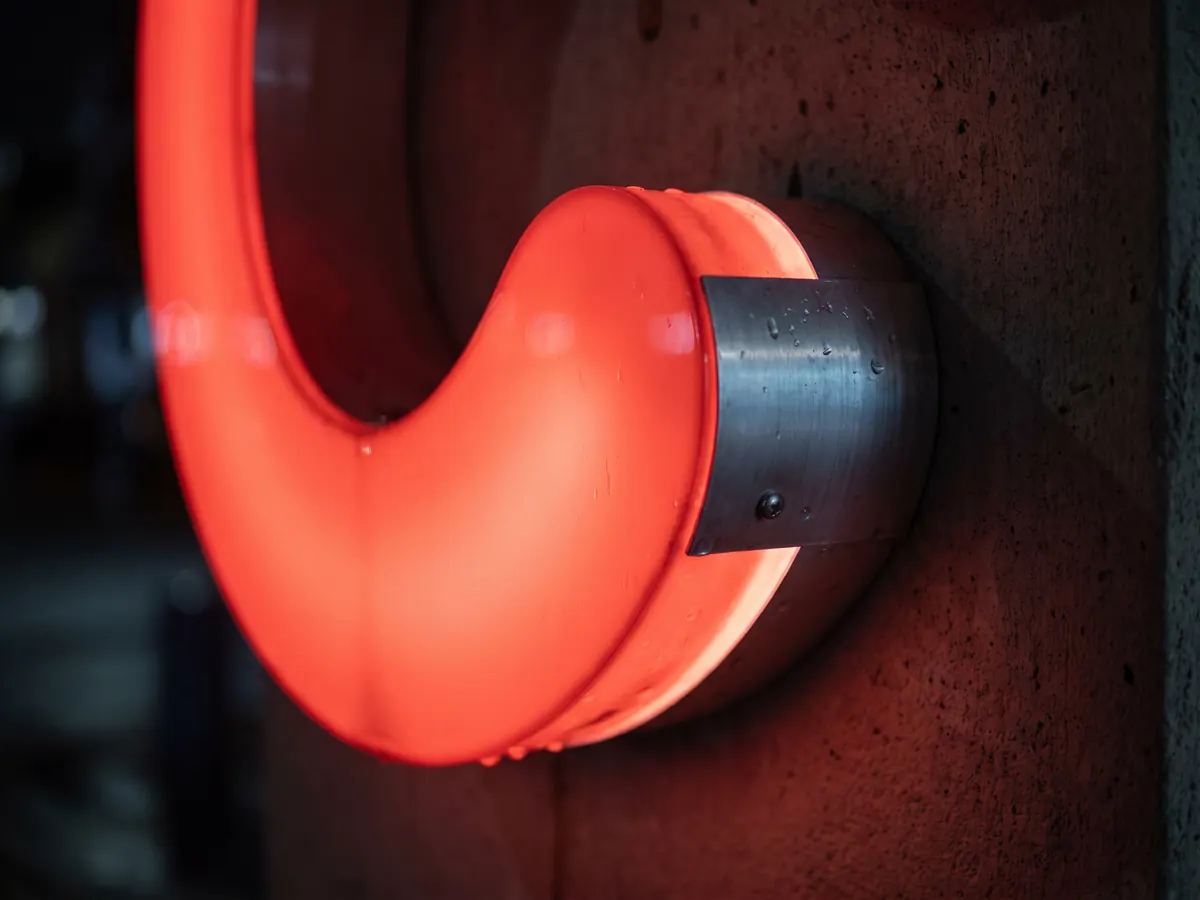
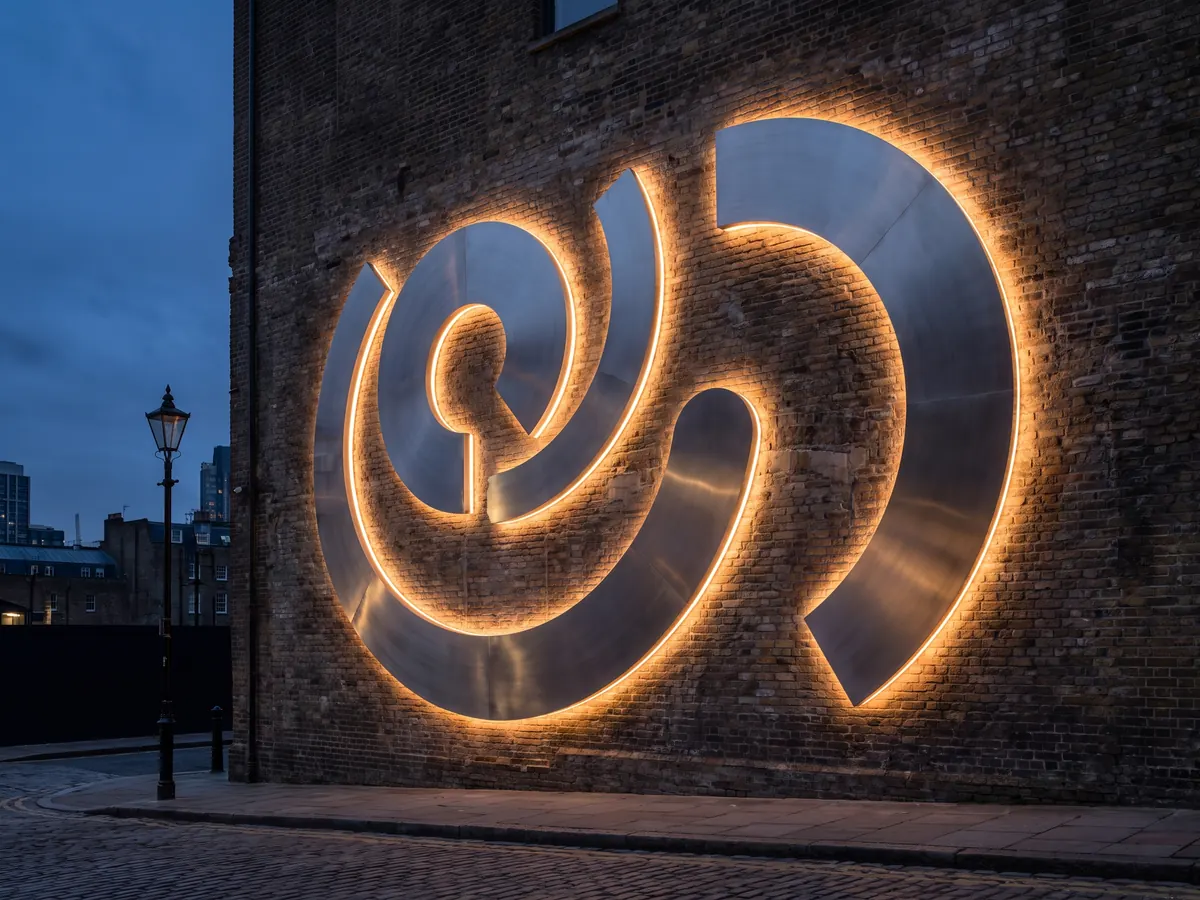
A few recent sets. Tap any photo to enlarge it.
Channel Letter Questions
How much do channel letter signs cost in Philadelphia?
Price depends on letter height, the length of the set, the lighting style, and how the sign mounts to the building. A short front-lit set on a raceway costs far less than a long flush-mounted halo set. Send us a photo of the storefront and the name you want on it and we will quote it free, usually within a few days.
Do I need a permit for channel letters in Philadelphia?
In most cases, yes. New wall signs in the city typically need an L&I sign permit, and suburban townships have their own approvals. We prepare the drawings, file the application, and track it so your install date does not slip.
What is the difference between front-lit and halo-lit letters?
Front-lit letters glow through their acrylic faces, which gives the brightest read from a distance. Halo-lit letters have solid metal faces and throw light back against the wall, so the name floats in a soft outline. Halo sets suit brick facades and historic blocks. Some projects combine both in one set.
Can you repair or convert my existing channel letters?
Yes. We repair dark letters, cracked faces, and failed power supplies, and we retrofit older neon sets with LED modules. If the set is worth saving we will tell you. If it is not, we will quote a new one.
Put Your Name Up in Light
Send a photo of the storefront and the name you want on it. We will spec the letters, price the set, and handle the permit.
267-344-8492